Living freight has different rules
Nursery stock is the only freight we handle that can die in transit. A four-inch pot sitting in standing water for two days on a closed deck arrives with root rot. The same pot on a wide-gap deck arrives fine.
This is why our nursery pool is kept separate. It is not a grade distinction; it is a geometry distinction. Nursery decks have deliberately wide board spacing for drainage and airflow, which would be a defect in almost any other application.
The 36 by 36 deck
Most Oregon nursery work runs on a 36-inch square deck rather than the standard GMA footprint. The reason is pot math: a 36-inch square tiles neatly with common pot diameters and fits the rolling racks and trailers that nurseries already own.
We hold deep stock of these because our region grows a very large share of the country's ornamental nursery product. In spring we move more 36×36 than anything else.
Soil and bagged amendment: the opposite requirement
The same customer who wants wide gaps for pots wants tight gaps for bagged soil. A 40-pound bag sagging between widely spaced boards splits at the seam, and a split bag in a trailer becomes everybody's problem.
We ask which product is going on the pallet rather than assuming, because the right answer flips completely between two product lines from the same grower.
Chemical treatment and growing media
Nursery customers are rightly cautious about treated wood. Our rule is simple: only heat-treated or untreated stock ever goes into nursery or growing applications. We never supply chemically treated wood for anything that touches soil or plants.
For raised beds and planters built in our fabrication shop, the same rule applies and is written on the quote. Customers ask about this constantly and they are right to.
Planning around spring
Nursery demand compresses into about ten weeks from March. Growers who tell us their numbers in December get reserved stock; growers who call in April get what is left, as does everyone else in the valley.
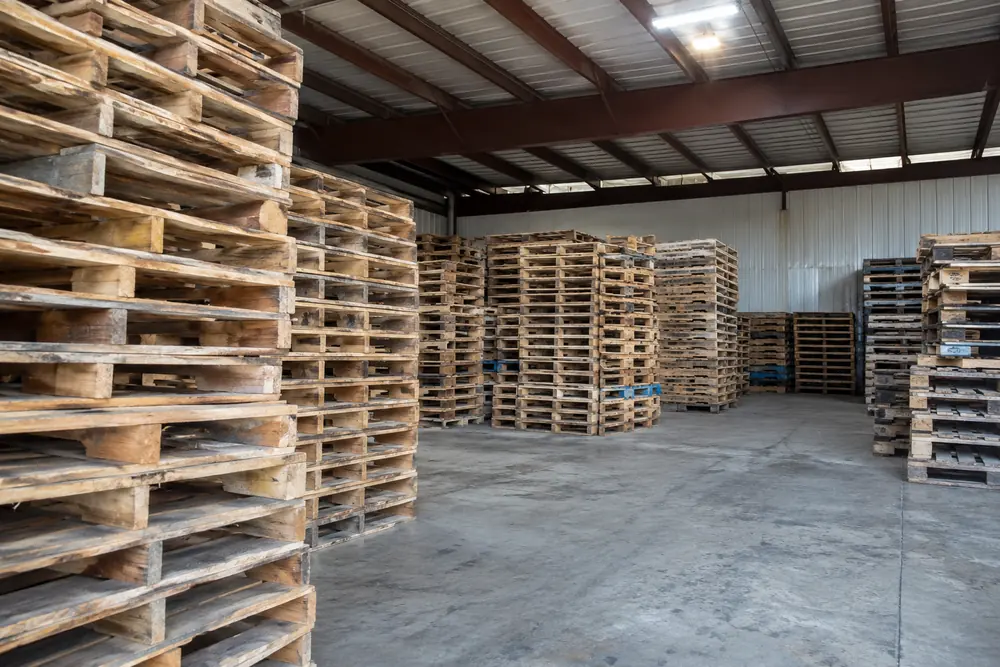
We stockpile through the winter specifically for this, which is why the yard looks absurdly full in February and alarmingly empty in May.